| From 1 inch to 100 inch, the internal logic and opportunity space of the evoluti |
| Release time:2023-11-03 08:50:48 | Source: | Views: |
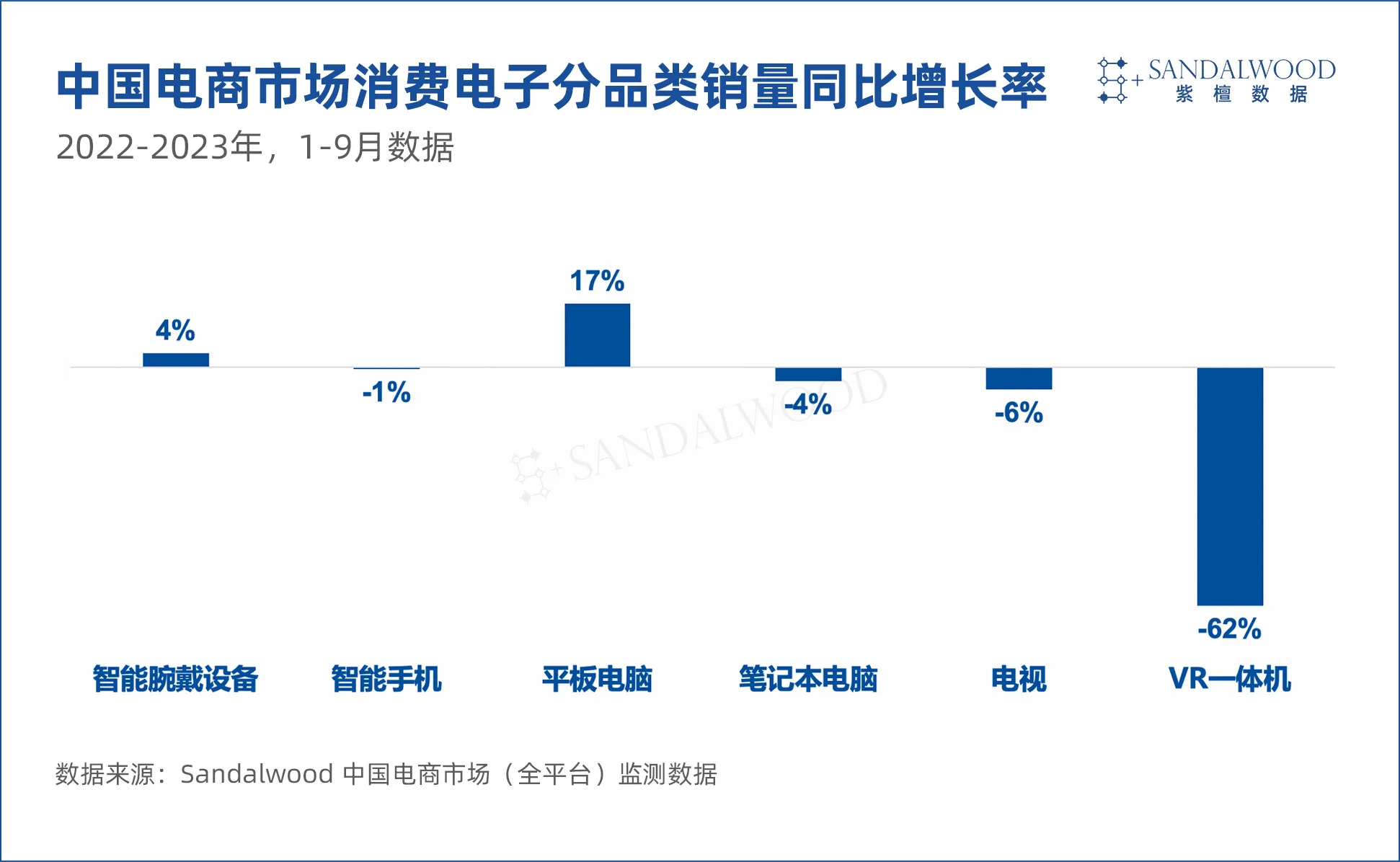
Article Source: SANDALWOOD The content and ideas in this article are for your reference only In the first three quarters of 2023, China's consumer electronics market, converged terminals are rapidly evolving, and the multi-device collaboration strategy of manufacturers is becoming clearer. All kinds of devices such as large-screen mobile phones, foldable mobile phones, portable tablets, thin and light notebooks and large-size TVS have achieved strong growth, and the competition and synergy between terminal products are increasingly strengthened. Smart phone manufacturers show a wide range of market competitiveness through multi-scene product layout. In the broader market, the end manufacturers of multiple genes will compete more fiercely in the fusion market. From NIO Phone to Snapdragon X Elite, terminal manufacturers strengthen multi-device collaboration strategy Recently, NIO released the NIO Phone, millet launched the "people car home ecology" strategy and the surging OS. Huawei HarmonyOS 4 has been upgraded on more than 100 million devices, covering 98 Huawei products. Qualcomm also introduced a new processor designed specifically for the PC market, the Snapdragon X Elite. This shows that end vendors are gradually clarifying their multi-device strategy. From the perspective of user needs and usage scenarios, terminal products and services that can provide seamless experience, personalized service and efficient multitasking will be better able to meet user needs and adapt to market changes, so as to obtain better space for development. Device Sales and Growth trend: Converged terminals are leading the market growth Terminal devices such as watches, mobile phones, tablets, laptops, TVS and smart cars provide rich solutions for their specific application scenarios and functional characteristics, covering mobile communication, work and learning, home entertainment and intelligent transportation. These devices are based on advanced chip technology, operating systems, and Internet ecosystems, forming an independent and interconnected device ecosystem. According to Sandalwood's China e-commerce market monitoring data, from January to September 2023, sales of mobile phones, laptops and TVS decreased by 1%, 4% and 6%, respectively, and sales of VR all-in-one machines fell by 62%. In contrast, sales of tablets and smartwatches increased by 17% and 4%, respectively.
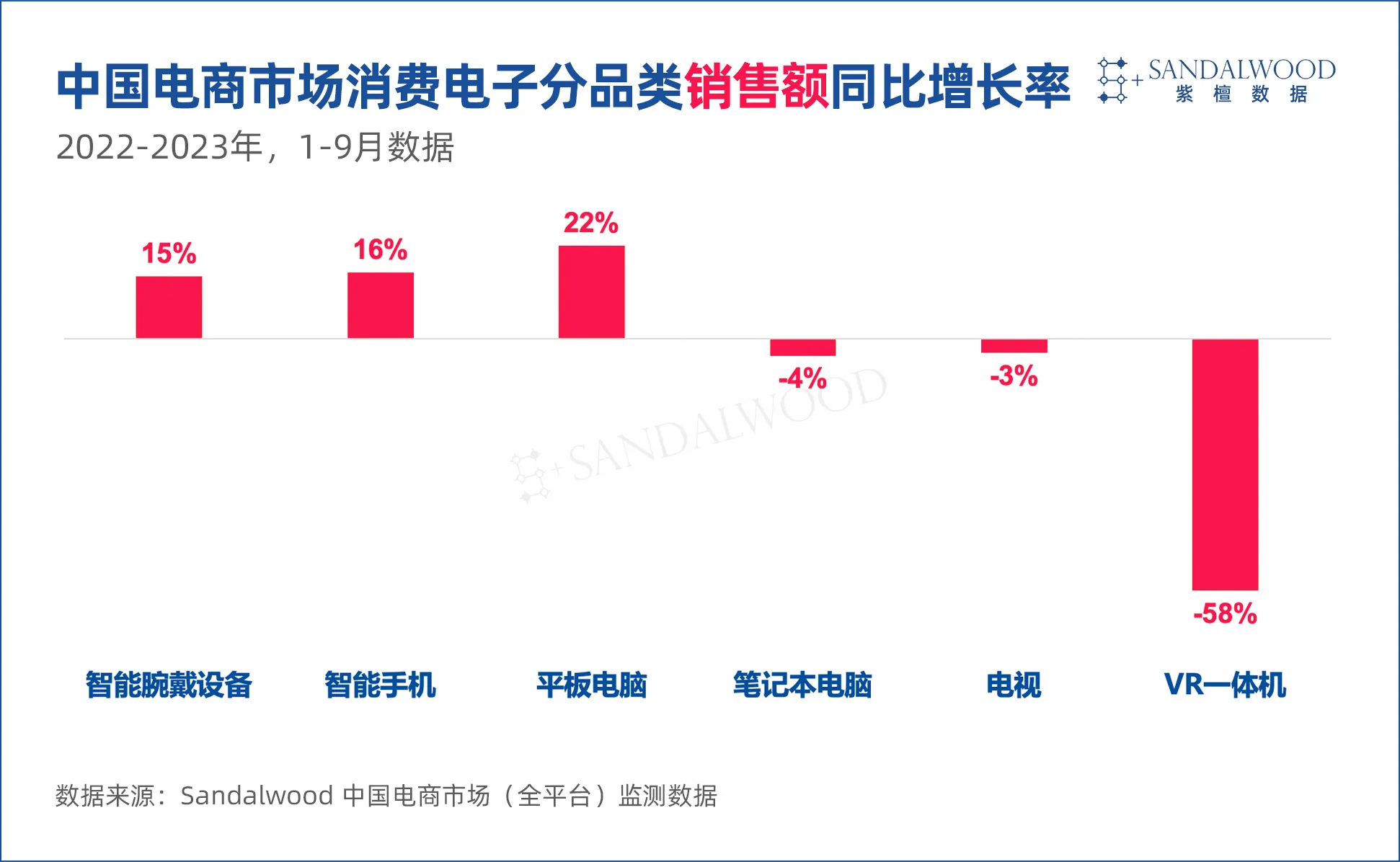
Mobile phones as all-scene terminals remained stable, while laptops and TVS as productivity tools and entertainment centers in fixed scenes saw sales decline. Tablets with their portability and relative productivity experience, smart wristwear devices benefit from real-time information access and health monitoring capabilities, all achieving steady growth. Device sales and Growth trends: Mobile devices are becoming more adaptable From the perspective of ecological evolution, the development of devices shows their adaptability and diversity, they are different shapes, sizes and functions to meet a variety of use needs. For example, mobile phones and watches are suitable for carrying around due to their portability, while laptops and TVS are more suitable for providing high-quality visual experiences in fixed scenes due to their larger screens. The competition between devices drives technological progress and the integration of functions, such as the competition between mobile phones and tablets, laptops and desktops, and tablets and laptops. At the same time, devices are interdependent through the interconnection of shared resources and functions, such as mobile phones and smart watches, car systems and mobile phones. According to Sandalwood's China E-commerce market Monitor data, the value growth of mobile devices by category sales in January-September was ahead of fixed scenario devices.
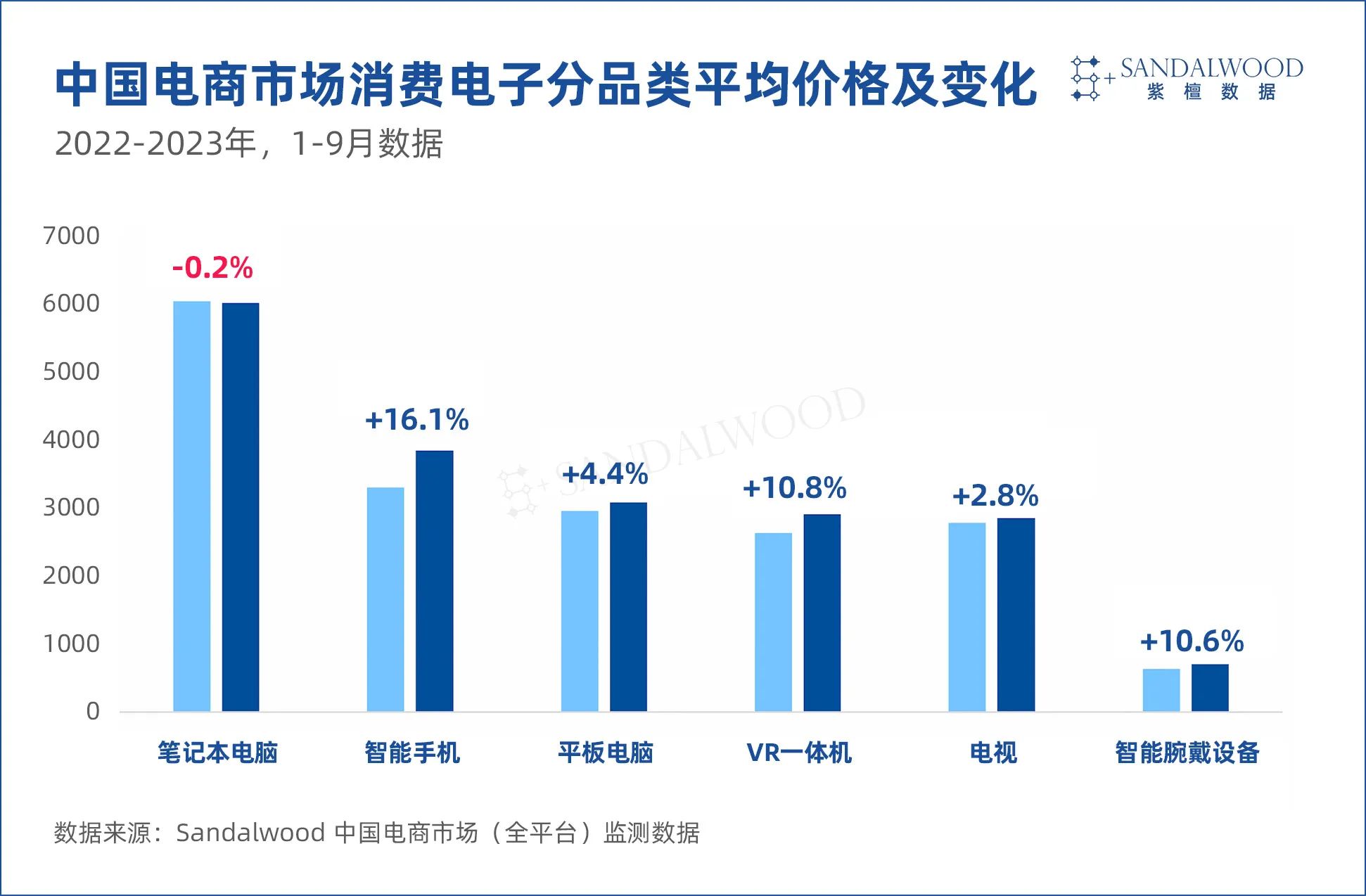
Sandalwood data shows that tablets achieved a 22% growth rate during this period, ahead of other devices, mobile phones and smart wrist wearables increased by 16% and 15%, respectively. On the contrary, the growth rate of laptops and TVS in fixed scenarios declined by 4% and 3%, respectively, and the all-in-one VR machine fell by 58%. This reflects that compared to fixed devices, mobile devices show greater adaptability and vitality in adapting to user needs. Equipment development potential energy from the average price: continuous upward upgrading and polarization From the perspective of the development of each product category, different devices show their unique potential. According to e-commerce data monitored by Sandalwood, the average selling price of mobile phones increased most significantly in the first three quarters of 2023, reaching 16.1%, followed by VR all-in-one machines and smart wrist wearables, which increased by 10.8% and 10.6%, respectively.
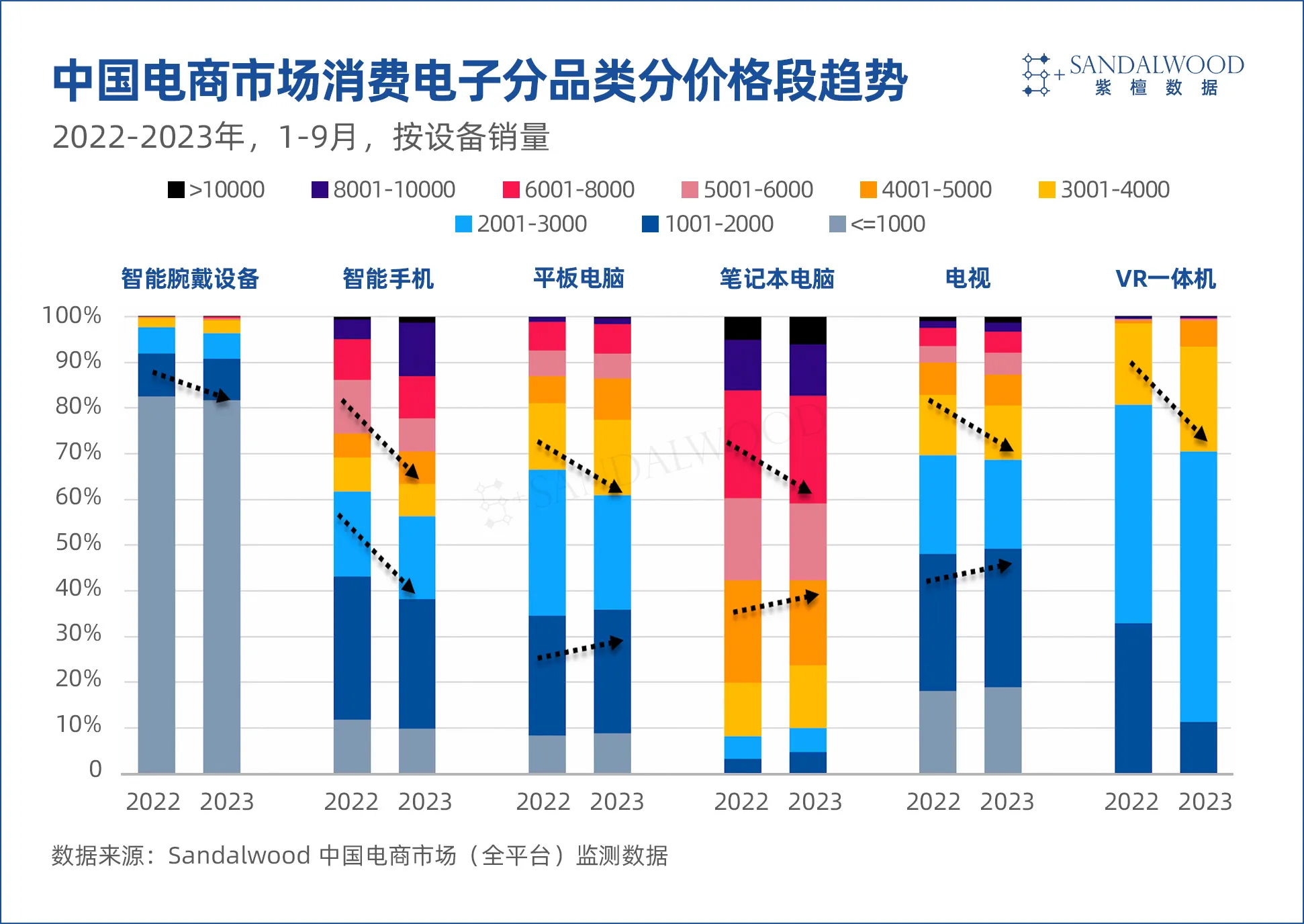
In contrast, the price growth of tablets and TVS was relatively low, at 4.4% and 2.8% respectively, while the average selling price of laptops decreased slightly, by 0.2%. This reflects the differences in the competitive position and development potential of different devices in the market. The price potential potential is reflected in the price interval structure of different product categories. The price range of mobile devices, such as smartphones and smart wearables, is upgrading towards the higher end. On the contrary, the price range of notebooks, tablets, TVS and other products shows a trend of polarization: on the one hand, the high-end market for professional performance and high quality to promote the development of professional products; On the other hand, the price sensitivity of the entry-level market has prompted the growth of more economical products.
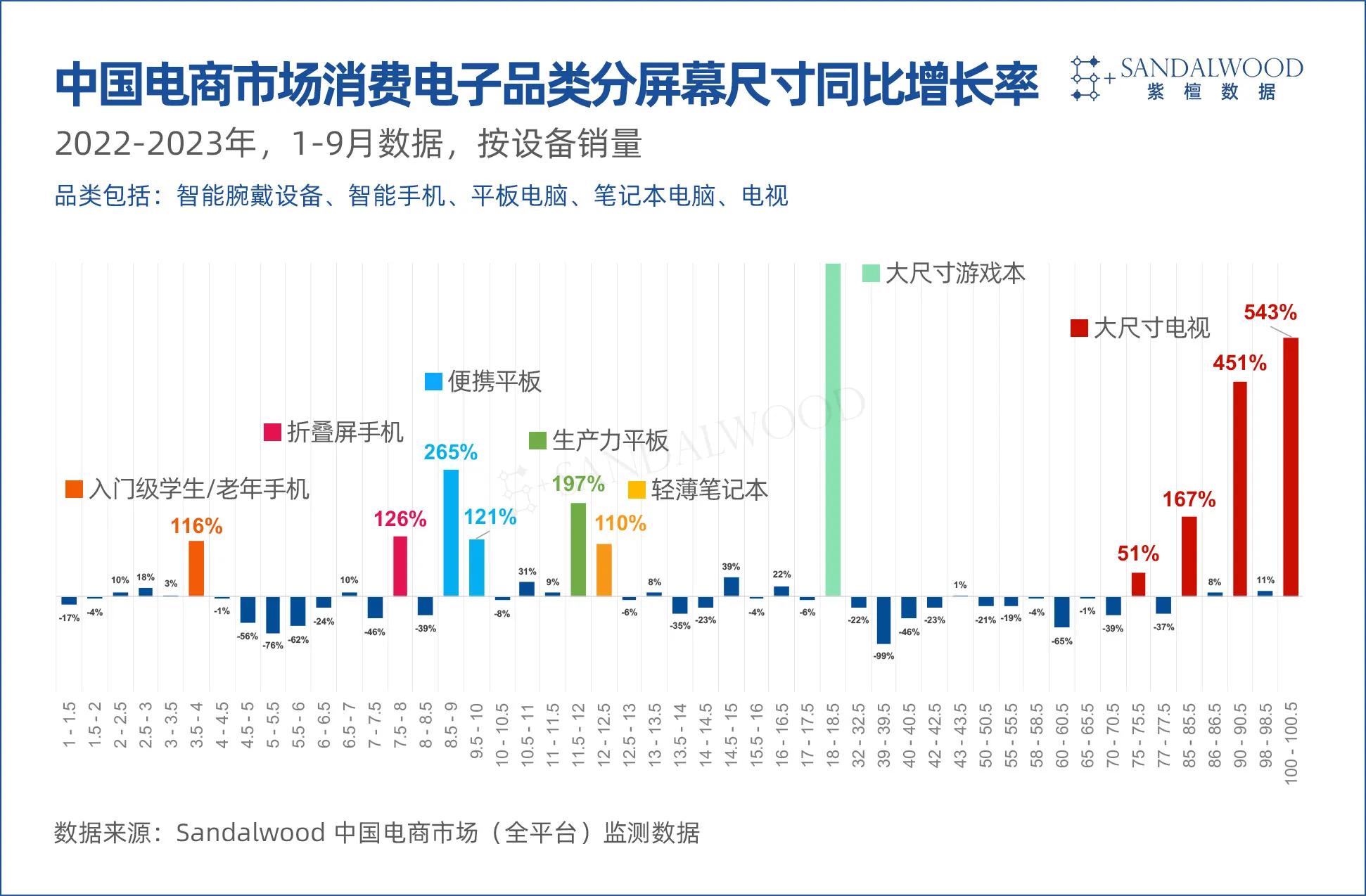
However, the situation of VR all-in-one machines is more special, because the overall product and market maturity are insufficient, the entry-level market of 1000-2000 yuan has declined significantly. From 1 "to 100", the convergence of smart devices growth opportunities Screen size is an important factor in device functionality and user needs. Based on data from Sandalwood's e-commerce monitor, we can observe the following trends:
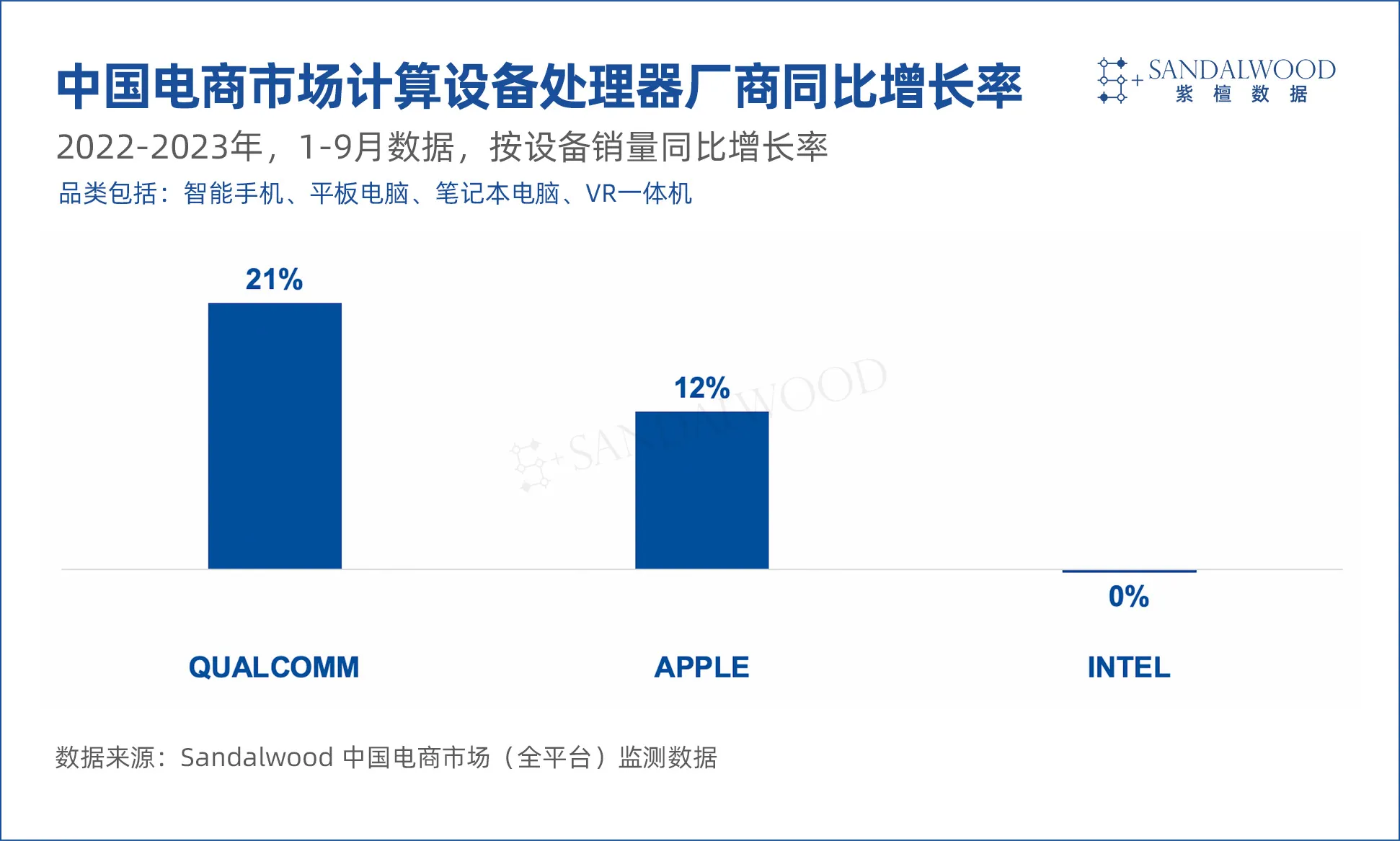
Smart phones: 6.5-7 inch large-screen smart phones increased by 10% year-on-year, 7.5-8 inch foldable mobile phones increased significantly by 126%, showing the market's continued demand for the large-screen market and the eager expectation for new technology and innovative design. Tablets: Sales of smaller 8.5-10 inch tablets grew, while sales of 8-8.5 inch tablets declined 39%, reflecting a self-substituting upgrade among portable tablets. The 11.5-12 "productivity tablet grew 197%, demonstrating the balance between portability and productivity. Notebook computers: 12-12.5-inch thin and light models grew 110%, showing the demand for lightweight and efficient notebooks. The growth of 18-18.5-inch gaming notebooks was the most significant, reflecting the boom in the gaming market and the pursuit of high-performance devices. TV: Sales of 75 -, 85 -, 90 - and 100-inch TVS grew between 100% and 500%, showing that demand for home entertainment and large-screen viewing experiences increased with housing upgrades. Overall, different sizes and types of equipment are adapting to market needs and technological developments, showing their own unique growth trends and market positioning. From the screen to natural language, the new trend of intelligent device interaction User demands are reshaping the way computing devices interact. As terminal devices evolve towards multi-screen integration, we have witnessed the emergence of multiple forms of interaction, including mouse, keyboard, remote control, touch, gesture, etc., which provide a rich user experience around the screen interface. By interacting with advanced natural language processing technologies such as ChatGPT, users can now communicate directly with computing devices in natural language, rather than being limited to typing specific commands on a touchscreen or keyboard. This not only makes information processing more intuitive and convenient, but also brings new ways of interacting and processing to end devices, with the potential to redefine the future of portable technology devices. Mobile chip processing manufacturers strengthen cross-field layout and drive smart devices to intelligent evolution As the trend of multi-device convergence strengthens, chip manufacturers are faced with the challenge of laying out chips across domains. Based on the sales data monitored at Sandalwood E-commerce Market, we can observe the differences in the performance of different processor vendors in the computing devices market such as mobile phones, tablets, laptops and VR all-in-one machines. QUALCOMM led the market with a 21% growth rate, followed by APPLE with 12% growth. At the same time, INTEL's sales remained stable with a 0% growth rate.
QUALCOMM's latest Snapdragon 8Gen3 processor is excellent in terminal AI and generative AI performance, and its computing power is enough to support the operation of large models with billions of parameters on the mobile side. This marks the transformation of smart phones from traditional communication and computing devices to intelligent devices with powerful data processing and learning capabilities, truly moving towards a new era of smart phones. This shift is not only reflected in the increase in processing power, but also reflects the growing demand for more intelligent and efficient devices, driving chipmakers to innovate to meet diverse and high-end market demands. We look forward to how these innovations will further enhance the user experience and make technology more relevant and responsive to the needs of people in their daily lives and work." Smartphones: Widely compatible in a multi-device ecosystem Smart phones are gradually evolving into a full-scene terminal, and their applications in different fields continue to expand, improving the convenience, practicality and intelligence of user experience. Smartwatch Connectivity: Smartphones can sync with smartwatches via wireless connectivity to provide notifications, health tracking, remote control and personalized services, enhancing the convenience and usefulness of the user experience. Smart Home control: With functions such as remote control, security monitoring, home automation and voice control, smart phones have greatly improved the convenience and security of smart homes. Collaboration with personal computers: Through file synchronization, remote access, message sharing and other functions, smartphones and personal computers closely cooperate to improve work efficiency. Application in the field of travel: Smart phones easily connect to smart cars and become an enhanced device for interaction and experience between people and cars. Smartphone vendors: Adaptability and layout in a multi-device ecosystem From the perspective of multi-device layout, the smartphone market, 99% of manufacturers, mobile phones for their main business. At the same time, smartphone manufacturers have also shown strong adaptability in the multi-device field, accounting for 19% and 27% of the laptop and TV markets, and 74% and 41% of the tablet and smart wear markets, respectively. This shows the broad layout of smart phone manufacturers in the field of multi-device, and the competition in the future fusion market will be further developed in the terminal manufacturers of multiple genes.
|